Executive Summary
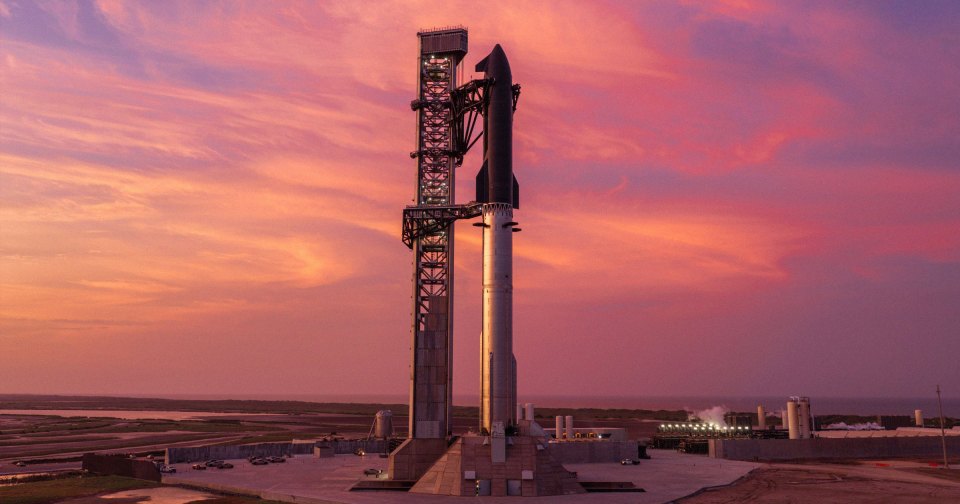
- •SpaceX is preparing for its 14th Starship test flight on Monday to deploy 26 Starlink V3 satellites.
- •The 10-hour flight plan includes six Earth orbits at a 171-mile altitude.
- •Success is required before the company can transition away from its Falcon 9 fleet and support NASA's Artemis 3.
Community Sentiment
Key Developments & Data
Get the unfiltered signal before markets open.
Top tech breakthroughs, venture funding, and market moves—synthesized into a 2-minute morning read. Zero PR fluff.
Zubiqo Strategic Assessment
Primary Impact
The global satellite deployment market and NASA's Artemis timeline, which rely entirely on Starship achieving rapid, reliable orbital reusability without destroying its boosters.
Strategic Shift
The transition from iterative medium-lift reusability (Falcon 9) to heavy-lift orbital saturation, which theoretically expands satellite capacity tenfold per launch.
The Ripple Effect
If SpaceX successfully lands the booster and deploys the Starlink payload, the company will likely accelerate the retirement of the Falcon 9 and push NASA to lock in firm dates for early human Artemis testing.
This intelligence assessment is generated by Zubiqo's AI for informational purposes only.
Intelligence Quality Rating
Grade this brief: Slide & release to submit rating, or tap a preset.