Executive Summary
- •Tesla and Nvidia are heavily reducing the memory capacity in their upcoming next-generation AI chips.
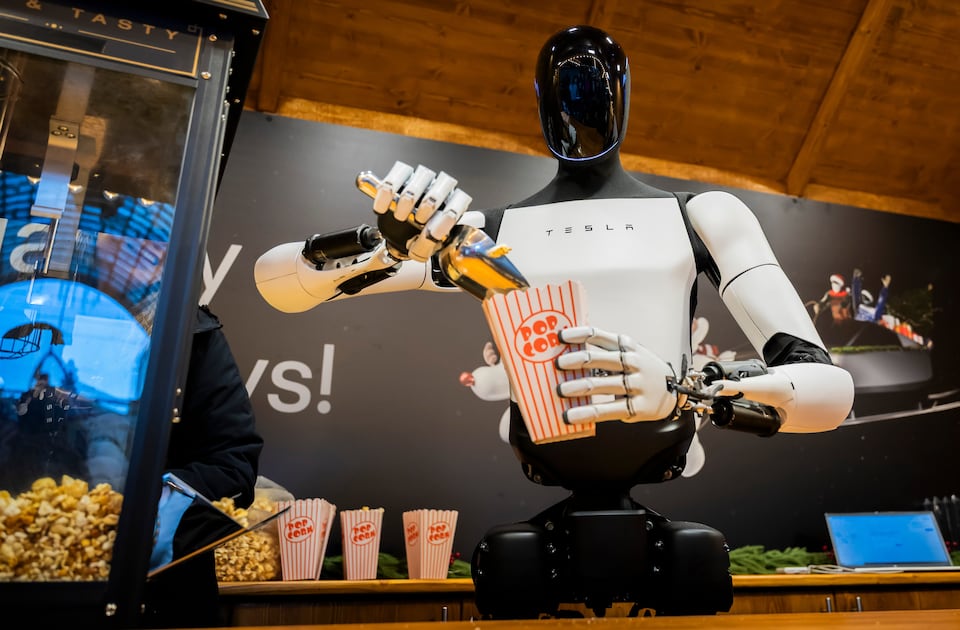
- •Tesla's AI5 chip was adjusted to 96GB while Nvidia may slash its 'Rubin Ultra' from 1TB to 192GB.
- •Prolonged shortages are forcing the industry toward memory-saving architectures that could permanently alter DRAM demand.
Community Sentiment
Key Developments & Data
Get the unfiltered signal before markets open.
Top tech breakthroughs, venture funding, and market moves—synthesized into a 2-minute morning read. Zero PR fluff.
Zubiqo Strategic Assessment
Primary Impact
Hardware manufacturers and robotics divisions face severe volume bottlenecks, shifting pricing leverage directly to memory semiconductor suppliers.
Strategic Shift
The AI hardware sector is shifting from maximizing raw specs at any cost to defensive, memory-efficient architectures driven by physical supply chain constraints.
The Ripple Effect
If memory-saving designs become standard across the AI sector, future DRAM demand could fall short of current industry projections, potentially crashing supplier super-profits.
This intelligence assessment is generated by Zubiqo's AI for informational purposes only.
Intelligence Quality Rating
Grade this brief: Slide & release to submit rating, or tap a preset.