Executive Summary
- •Tesla is delaying external deliveries of its Optimus humanoid robot to late 2027 due to unresolved issues with AI generalization and hardware durability.
- •The company plans to build 10k to 20k robots for an internal training academy to gather physical-world data before shipping to outside customers.
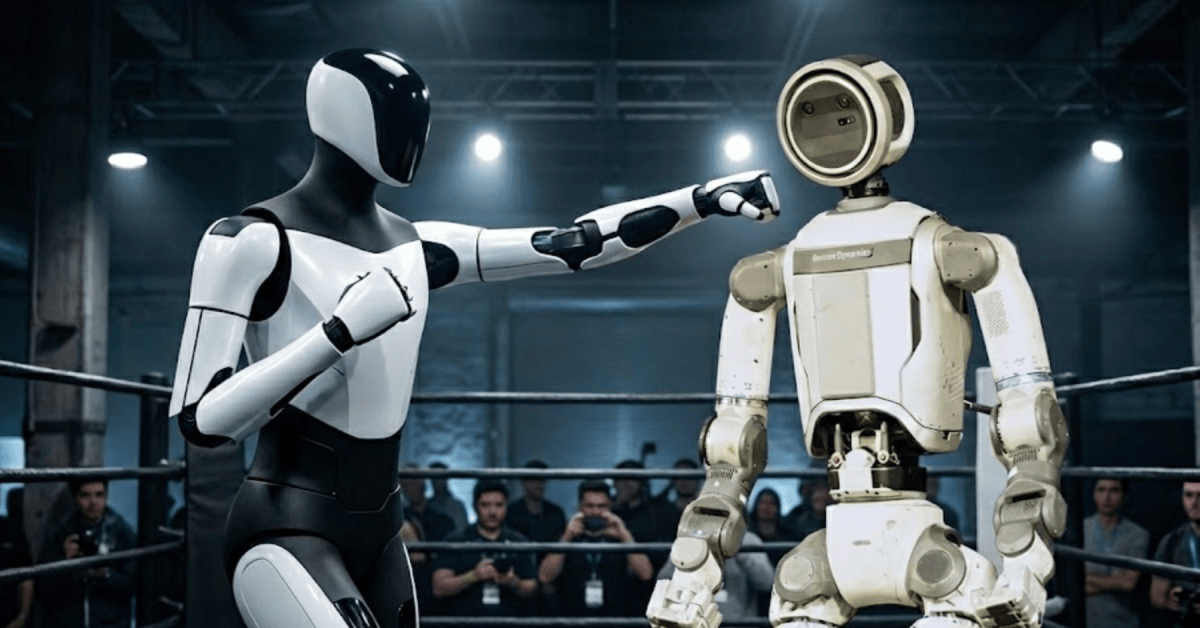
- •Competitors like Boston Dynamics are bypassing the dexterity bottleneck by using simpler, sturdier industrial grippers to secure near-term commercial deployments.
Community Sentiment
Key Developments & Data
Zubiqo Strategic Assessment
Primary Impact
Industrial manufacturing and logistics sectors anticipating near-term humanoid automation deployments to offset labor shortages.
Strategic Shift
The transition from heavily scripted robotic demonstrations to generalized physical AI models requiring massive real-world data collection.
The Ripple Effect
Competitors prioritizing pragmatic hardware—such as Boston Dynamics utilizing sturdy industrial grippers over human-like dexterity—may secure earlier commercial deployments while Tesla attempts to solve the harder problem of generalized human-equivalent hands.
This intelligence assessment is generated by Zubiqo's AI for informational purposes only.
Intelligence Quality Rating
Grade this brief: Slide & release to submit rating, or tap a preset.
The daily signal, delivered every weekday.
A concise weekday briefing on AI, technology and business. Zero PR fluff.
Subscription completes on Substack • Free • 1-click unsubscribe anytime